
A federal court recently delivered a significant victory for our client—a leading construction company that builds and repairs large-scale public infrastructure projects across the United States—in a high-stakes insurance coverage dispute involving millions of dollars in losses tied to a tunnel flooding event.
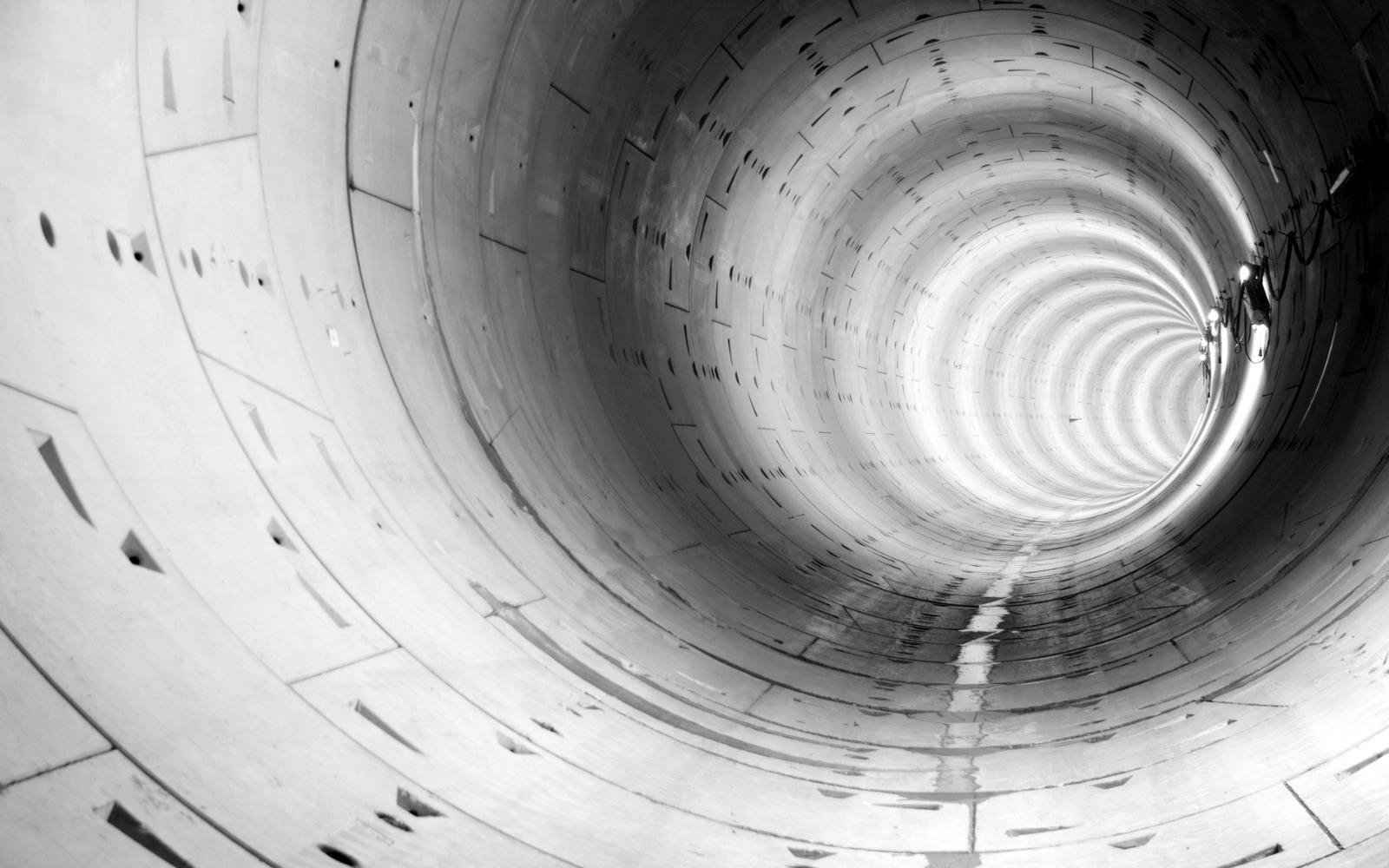
Our client was retained to repair, improve, and expand a major water reclamation facility designed to manage overflow stormwater and sewage. During the construction of a tunnel intended to connect untreated sewage to a reservoir, a 20-foot-thick concrete barrier separating raw sewage from the tunnel unexpectedly ruptured. Contaminated water flooded the tunnel, causing extensive damage and resulting in substantial repair costs and project-related losses.
After the incident, our client submitted a claim under its builders’ risk insurance policy, which provided coverage for flood-related damage. The insurance company—a leading U.S.-based surplus lines insurer—denied most of the claim, arguing that the event did not constitute a “flood” under the policy’s definition. Specifically, the insurer contended that the failure of the concrete barrier and the resulting influx of contaminated water into the tunnel fell outside the scope of covered flood damage.
Led by GLG Founder David Goodman and Senior Litigator Kalli Nies, we filed suit on behalf of our client, arguing that the insurer’s interpretation was inconsistent with both the policy language and the underwriting context surrounding the tunnel project. The federal court rejected the insurer’s liability arguments, agreeing that the policy language supported coverage for the losses arising from the flooding event.
The ruling clears the way for a jury trial on the millions of dollars in damages our client was forced to absorb as a result of the incident. It also underscores the importance of careful analysis of insurance policy language and reinforces that insurers cannot rely on strained interpretations to avoid coverage for catastrophic project losses.